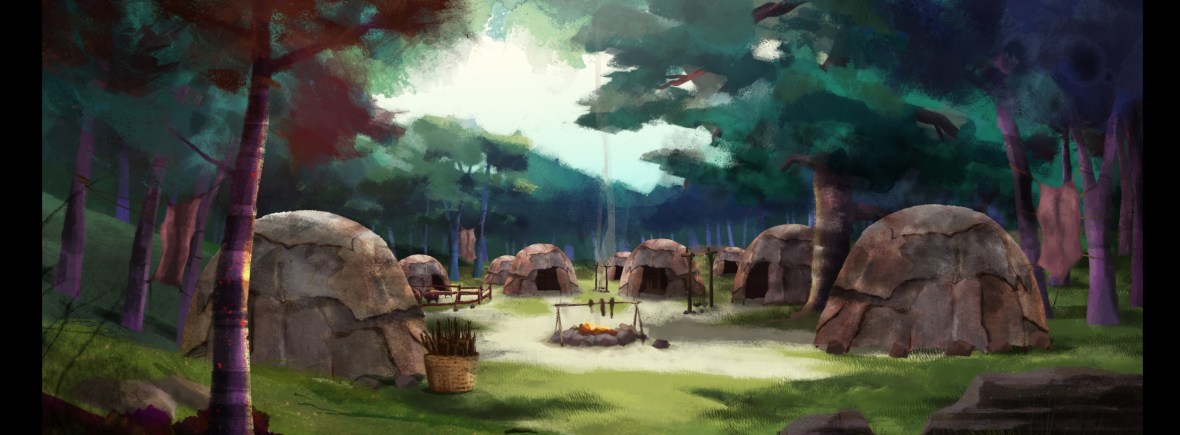
Meutres au mésolithique.
52′ A documentary by Hubert Béasse. Produced by Vivement Lundi!. First concepts, development and character design, 2018.
“In the 1920s, a French couple of archaeologists, Marie-Catherine and Hermann Méar, embarked on an expedition to the island of Téviec, located in the Morbihan region of Brittany. Their goal? To explore the small island and uncover any archaeological discoveries that might lie beneath its surface. Little did they know, they were about to make a remarkable find.
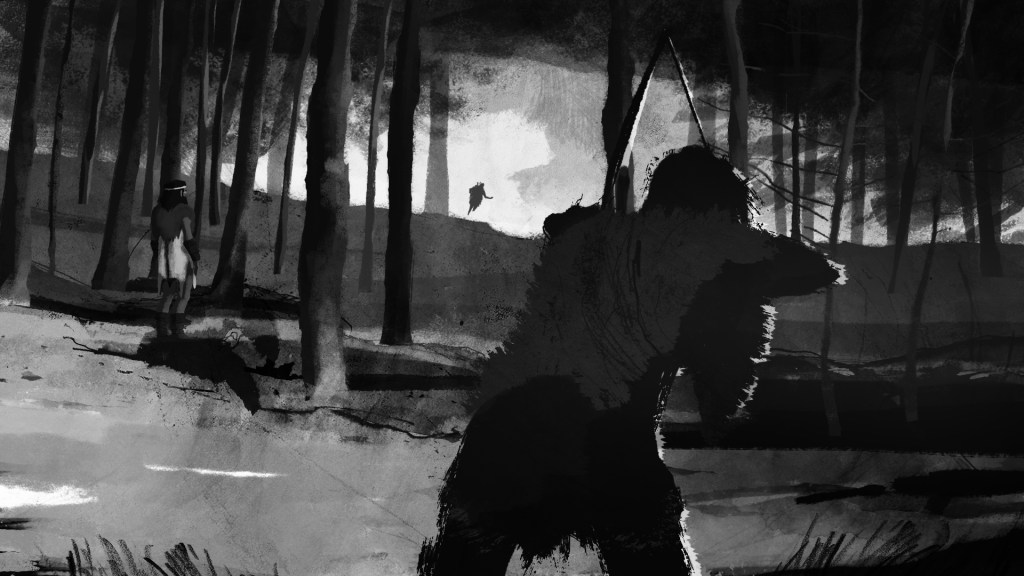
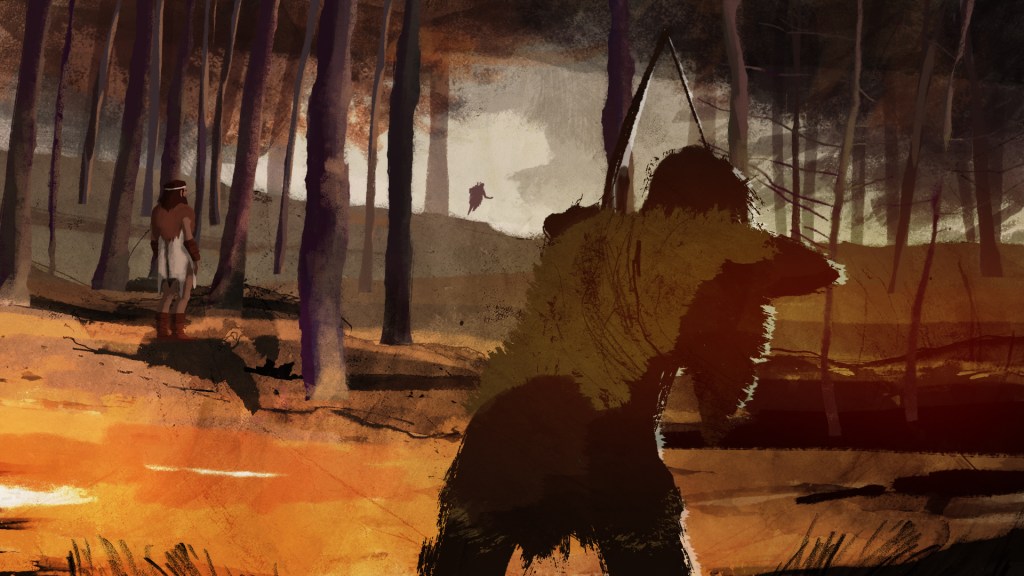
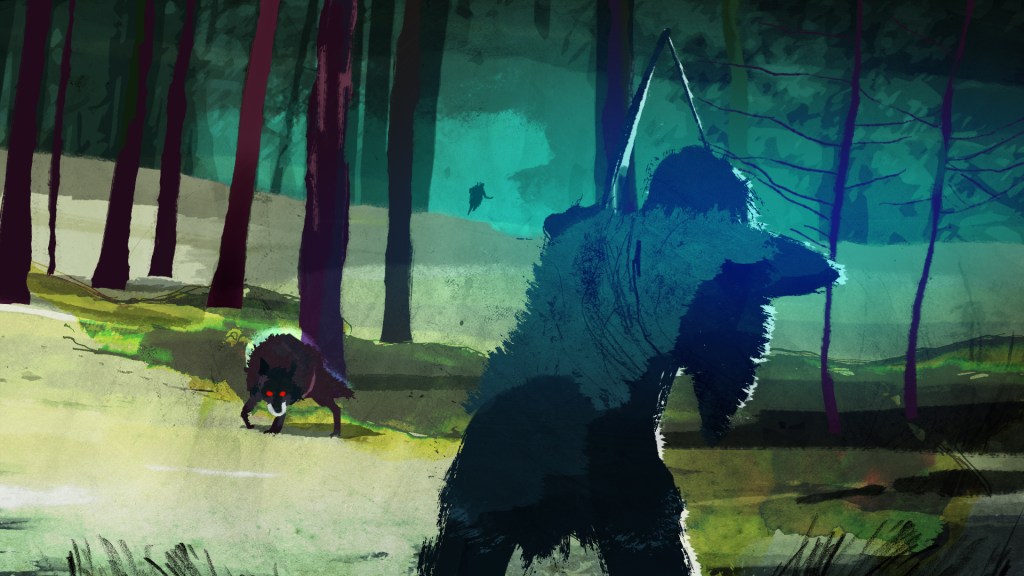
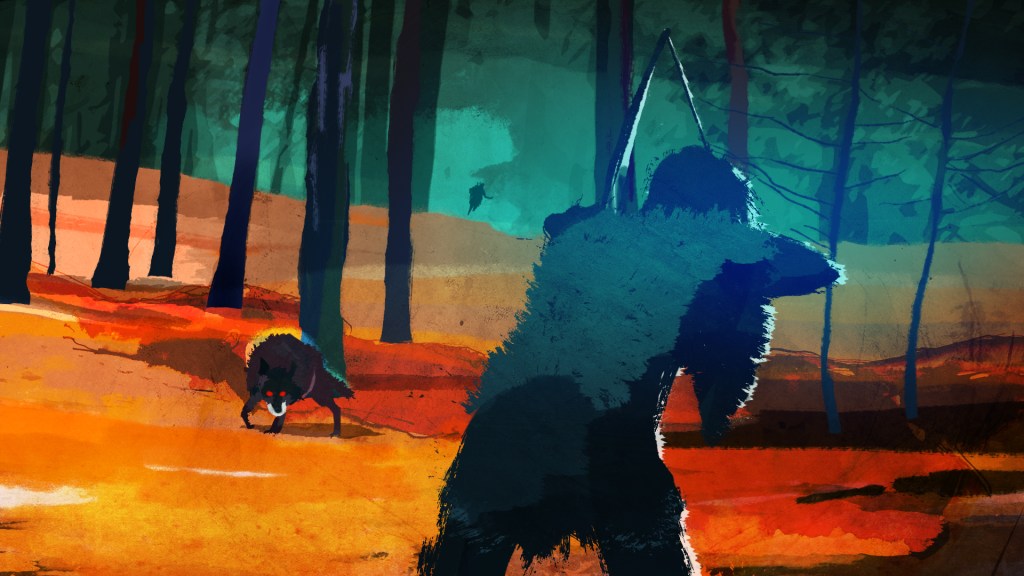
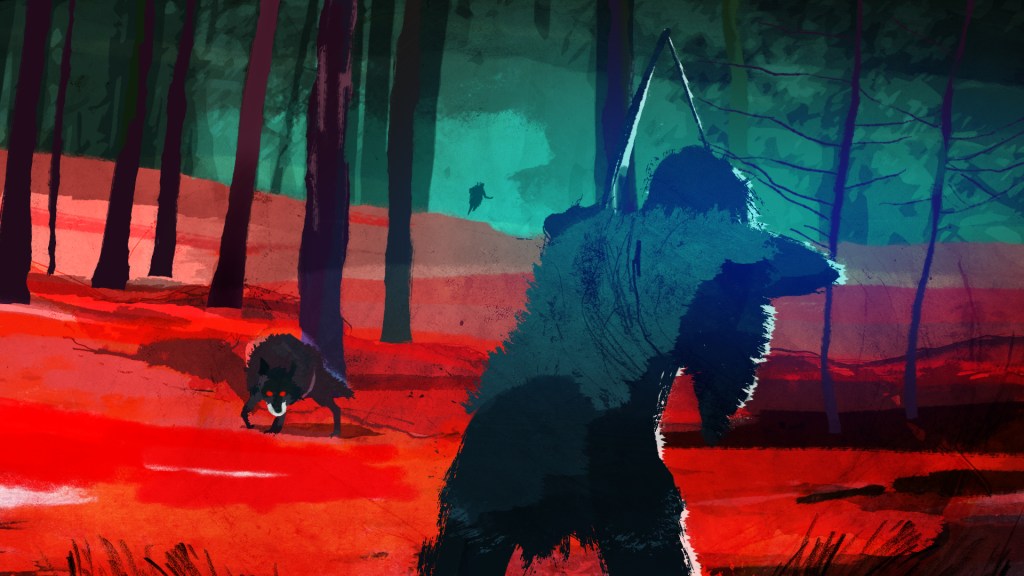



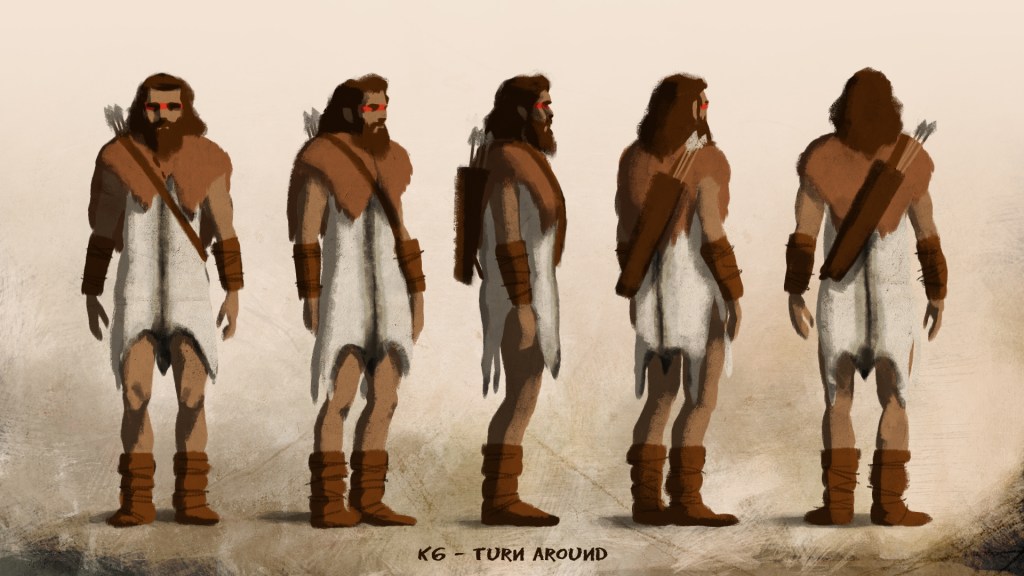
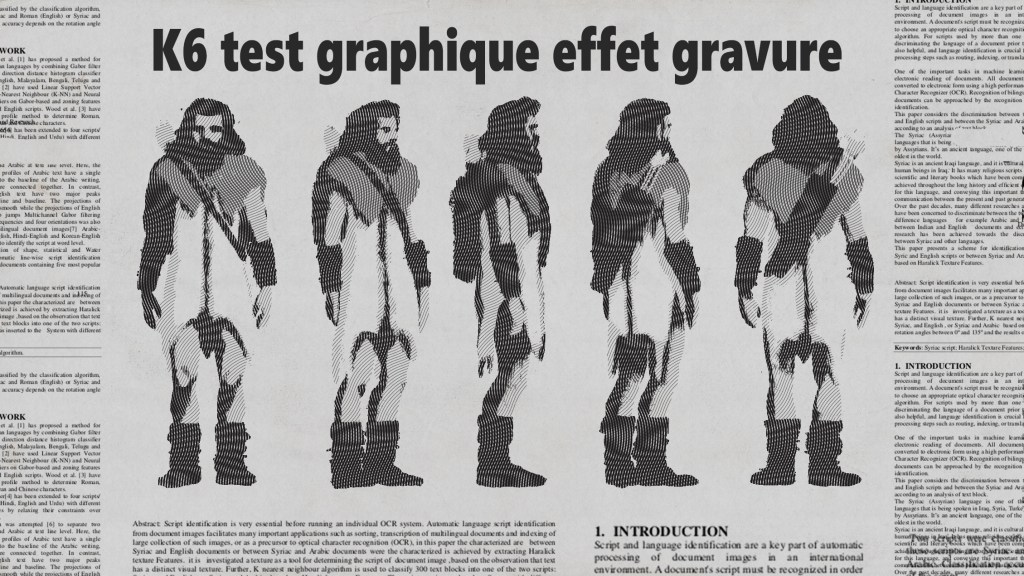
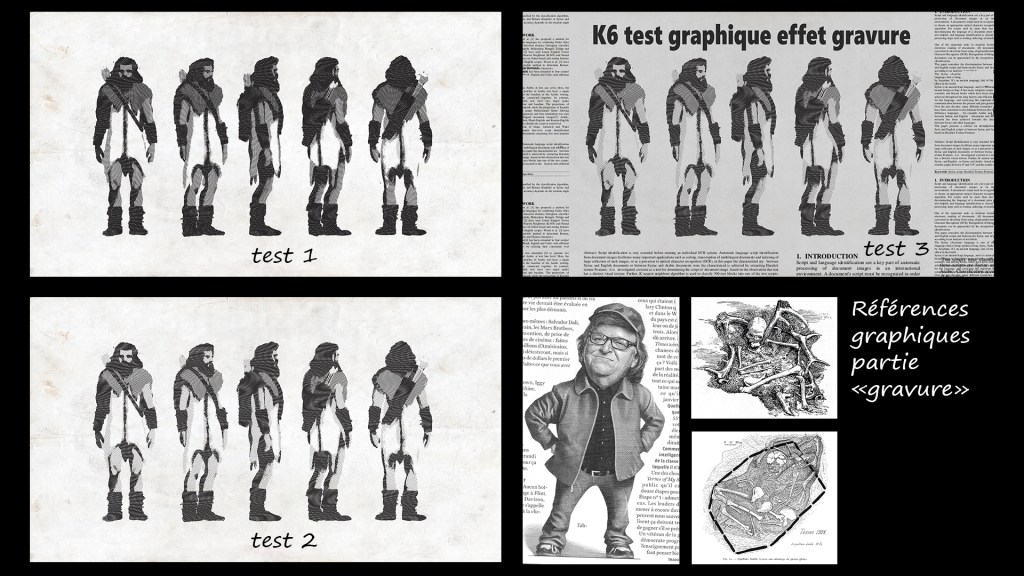
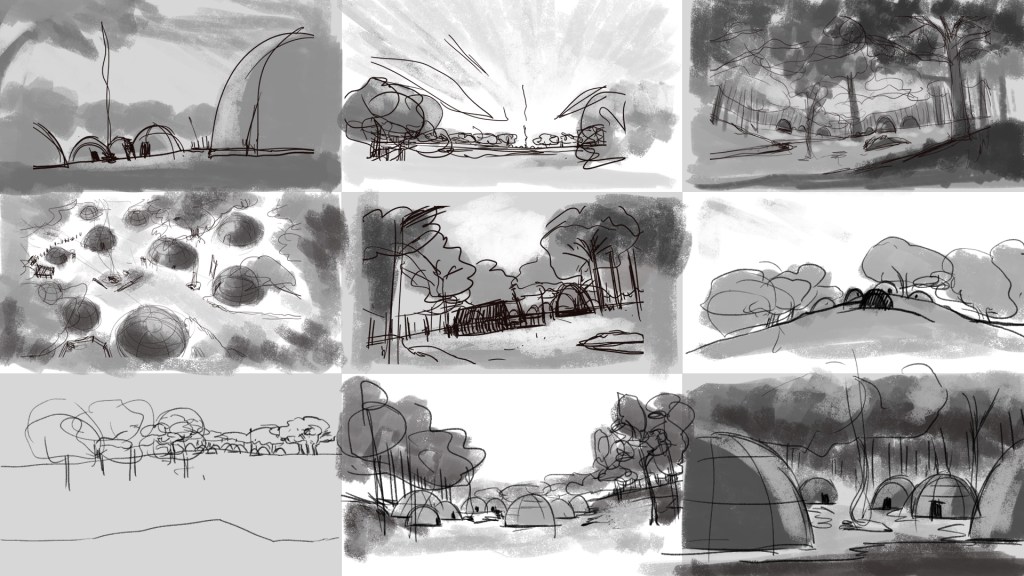
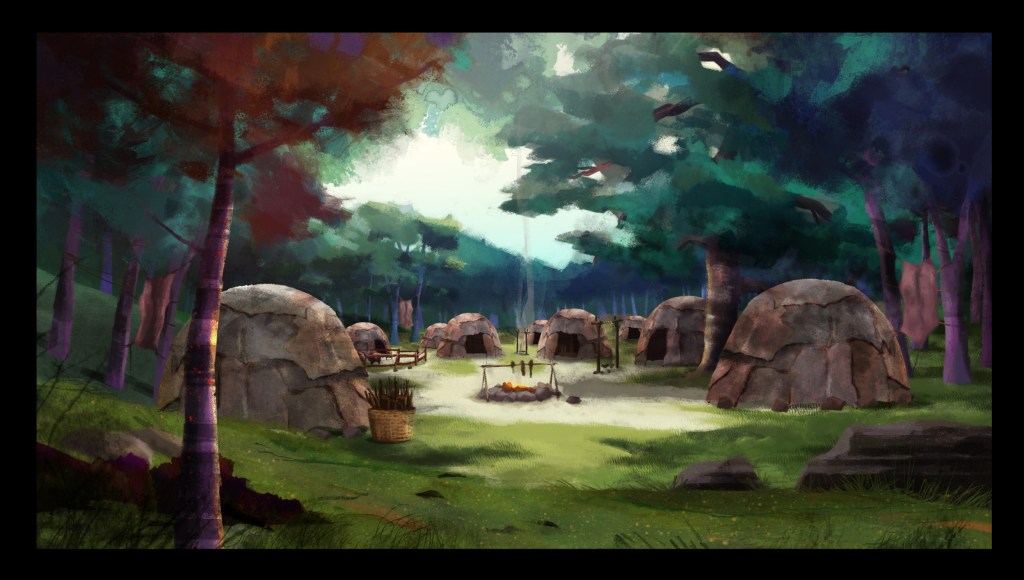
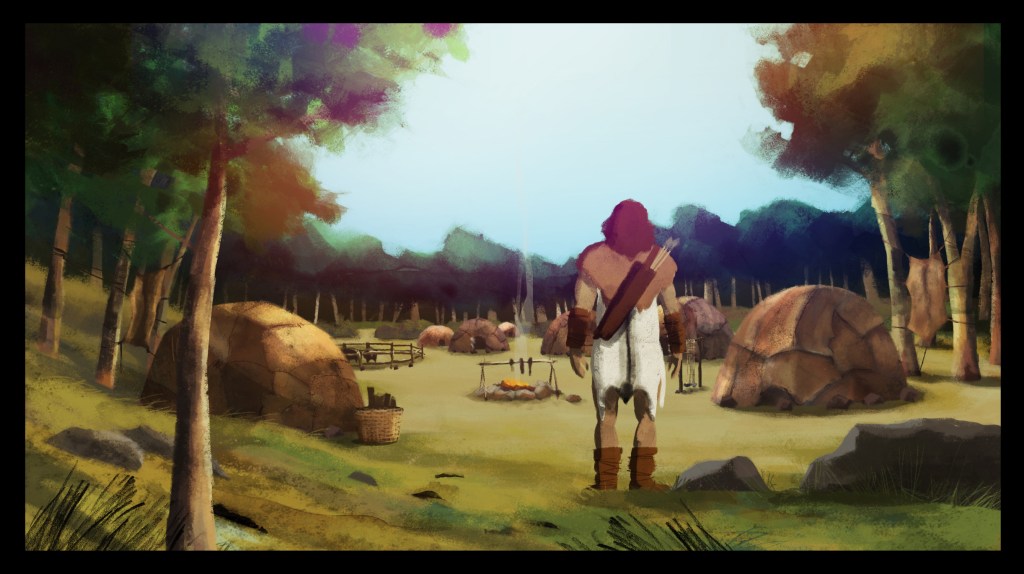
During their excavations, the Méar couple unearthed the remains of a prehistoric necropolis buried under several layers of sediment. The bones and burial sites they uncovered dated back approximately 6,000 years, to the end of the Mesolithic period. These discoveries proved to be of immense importance for understanding the human history of the region.
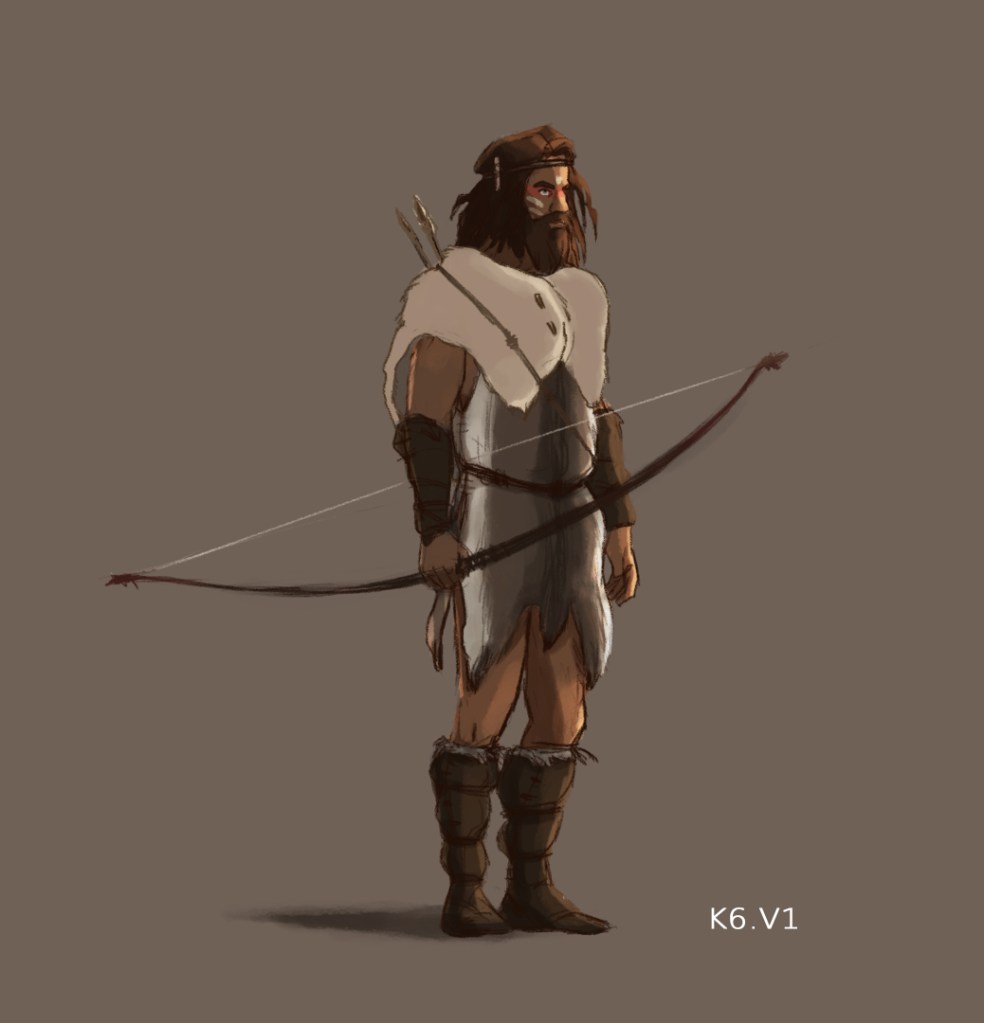
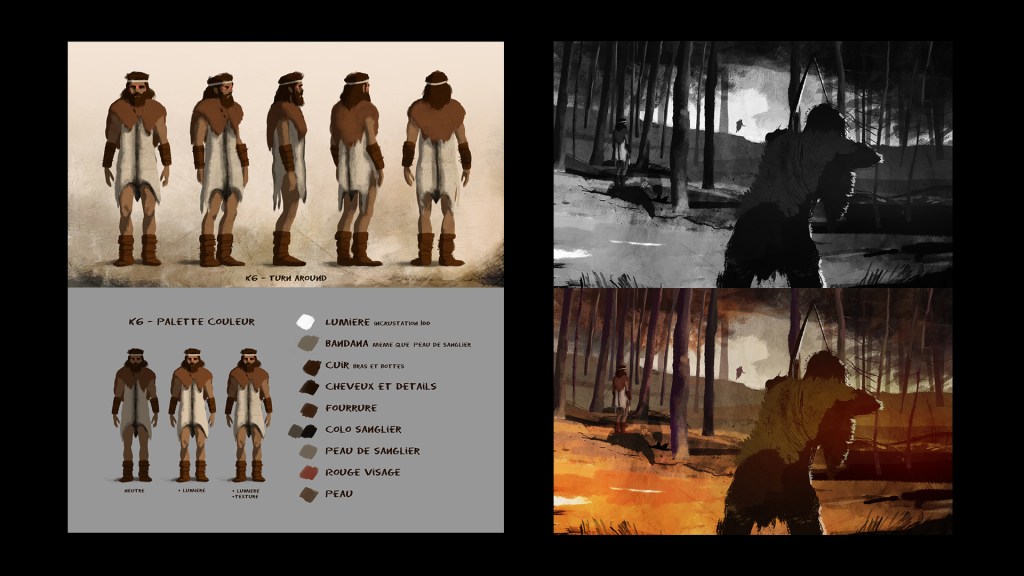
Among the many unearthed skeletal remains, one of them caught the attention of the archaeologists. Nicknamed “K6” based on its location within the tomb, this skeleton exhibited marks and fractures that suggested a possible case of brutal homicide. This discovery sent shockwaves through the scientific community, as it provided rare tangible evidence of interpersonal violence from such an ancient time.
For decades, the mystery surrounding K6’s death remained unsolved. Archaeologists and anthropologists studied the clues left by the bones, but the exact cause of death remained uncertain. Then, in the early 2000s, renowned archaeologist Grégor Marchand and his team decided to reopen the investigation into this prehistoric murder. They employed modern techniques such as isotopic analysis and forensic anthropology to uncover the secrets of this millennia-old crime scene.
Through new discoveries and technological advancements, the tragic events that led to K6’s death gradually began to unfold. Through detailed study of the skeletal remains, researchers were able to determine the probable weapon used in the assault, as well as gain insights into the general profile of the perpetrator. These revelations shed unique light on the daily life, social dynamics, and tensions among Mesolithic populations.
The case of K6’s murder, though thousands of years old, is a true archaeological saga that underscores the significance of excavations and in-depth analysis of ancient remains. This captivating narrative continues to captivate history and archaeology enthusiasts alike, fueling our curiosity about the origins of violence in the human past.”
 Eleonora Marinoni